

Every lifter knows how important the lower body is for a strong squat, but the upper body often gets overlooked. Shoulder mobility plays a big role in how securely you can hold the bar and how much tension you create through the back. Without enough mobility, the bar feels unstable, your wrists and elbows take more stress, and your squats never feel as solid as they could.
A smart warm-up can open up your shoulders and set you up for safer, stronger lifts. The key is to focus on moves that loosen tight muscles while reinforcing the positions you need under the bar. That means drills that open the chest, improve external rotation, and help you retract your shoulder blades.
By taking a few extra minutes before training, you can lock in better form and reduce the chance of discomfort during your sets. Less discomfort can also mean less injuries, which means more weeks training and fewer weeks recovering.
One of the simplest and most effective drills is the banded shoulder dislocation. With a light resistance band, hold it at shoulder width and bring it overhead, then continue behind the back. The goal is to move smoothly through the range of motion without forcing the stretch.
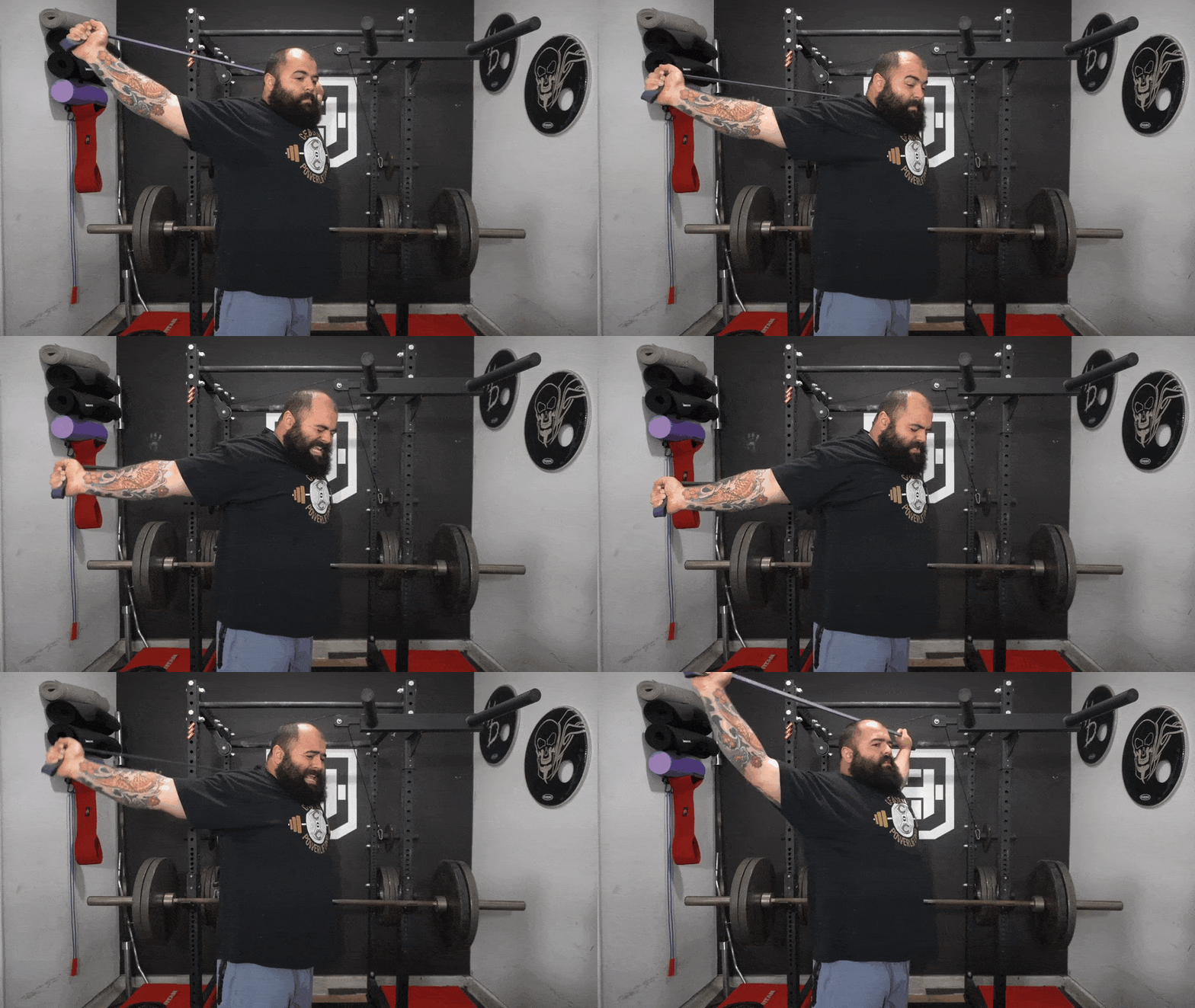
Over time, this drill opens up the chest and shoulders, making it easier to bring your hands in closer on the bar. A narrow squat grip often means a tighter upper back, which is exactly what you want in a squat. So if your goal is to narrow your squat grip over time, starting with this drill can help.
Another squat warm-up option is wall slides. Stand with your back against the wall, feet slightly forward, and lower back pressed flat. Place your arms in a goalpost position with elbows and wrists touching the wall if possible. Slowly raise your arms overhead, then bring them back down. This exercise strengthens the small stabilizing muscles around the shoulder while also reinforcing external rotation. If you struggle to keep your arms against the wall, it is a sign that you need this drill.
The sleeper stretch can also help, especially if you feel stiff when rotating your shoulders outward. Lie on your side with the bottom arm at 90 degrees. Use your top hand to gently press the forearm of the bottom arm toward the floor. This targets internal rotation, which often feels tight in lifters who press and bench frequently. Loosening this range helps balance shoulder function and makes it easier to settle under the bar comfortably.
For lifters who want a more dynamic option, try arm circles with controlled tension. Start small, gradually increasing the range, then reverse direction. This primes blood flow, raises joint temperature, and gets the shoulders moving before heavier drills. It is a simple way to wake up the joint and prepare for the more specific stretches that follow.
A barbell warm-up can double as a mobility drill too. Take an empty bar and practice setting it in your squat position, holding for several seconds. Focus on squeezing the lats, driving the elbows under, and keeping the wrists stacked. Repeating this before adding weight reinforces correct positions and lets your shoulders gradually adapt to the movement pattern.
The benefit of these warm-up moves is not just improved comfort. It can help address shoulder pain from squats. Plus better mobility allows you to use a narrower grip, which tightens your upper back and creates a stronger base for the squat. A tight upper back keeps your torso upright, reduces forward lean, and helps you stay balanced under heavy load. Shoulder mobility also limits the risk of wrist, elbow, and shoulder irritation, which can derail a training cycle if left unchecked.
Think of shoulder warm-ups as insurance. They take five to ten minutes, but they pay off in stability, strength, and confidence once the bar is loaded. Every serious lifter should treat these drills as part of the squat routine. Strong legs might move the weight, but mobile shoulders set the foundation for the lift to succeed.