

If you've been training seriously for any length of time, you know the feeling: the dreaded plateau. The weights on the bar stop moving up, and your muscles stop growing. When this happens, you don't need to just train harder; you need to train smarter and introduce a new stimulus for muscle hypertrophy.
This is where I introduce my clients, that means powerlifters and regular gymgoers, to one of my favorite techniques: Myo reps. Let's talk about what they are, how to do them, and who benefits from them. I'll also answer some common questions people have about Myo reps.
How to Perform Myo Reps
Forget your standard 3 sets of 10. Myo-reps are a form of high-intensity, high-volume training designed to elicit a massive growth response. Here’s the blueprint:
- Choose your exercise.
- Find your “activation” weight.
- Go to absolute failure.
- Take a mini rest.
- Go again.
Sounds simple, right? It is. Let's break down each part and why it works like this.
Pick a simple exercise. Think Leg Press for glutes or a machine curl, not a complex barbell squat. Effort is the priority here, not technique.
The Best Exercises for Myo Reps
Why is leg press a good option? The whole goal of this method is to push your muscles to absolute failure with brutal, high-volume effort. If you try to do that with a complex, free-weight movement like a barbell squat, your technique is going to break down long before your quads actually give out. And that's valuable for muscle growth.
Your lower back will get fatigued, your core stability will disappear, and the risk of injury goes way up. The leg press takes all of that out of the equation. It's a stable, machine-based movement, which means technique is no longer the limiting factor.
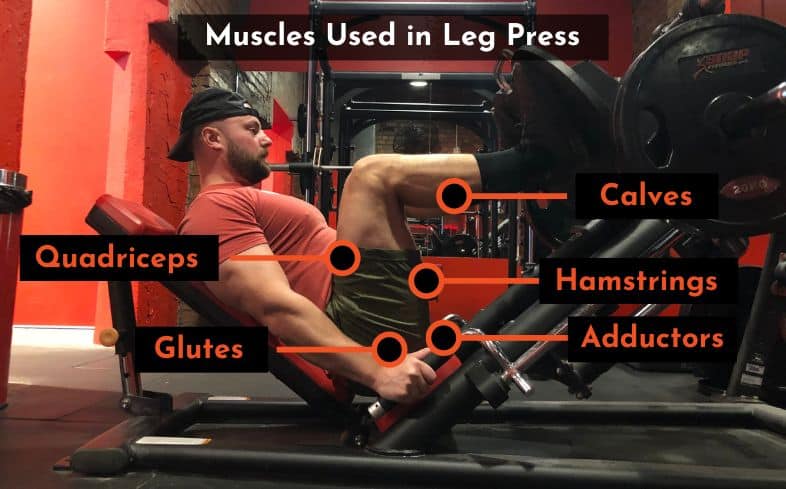
You don't have to worry about balance or getting pinned under a heavy bar. You can put 100% of your mental focus into one thing and one thing only: driving pure, unadulterated effort through your quads and glutes until there is absolutely nothing left in the tank. It’s safer, it's more direct, and it allows you to hit that level of muscular failure that Myo-reps demand.
Other Isolation Exercises to Consider:
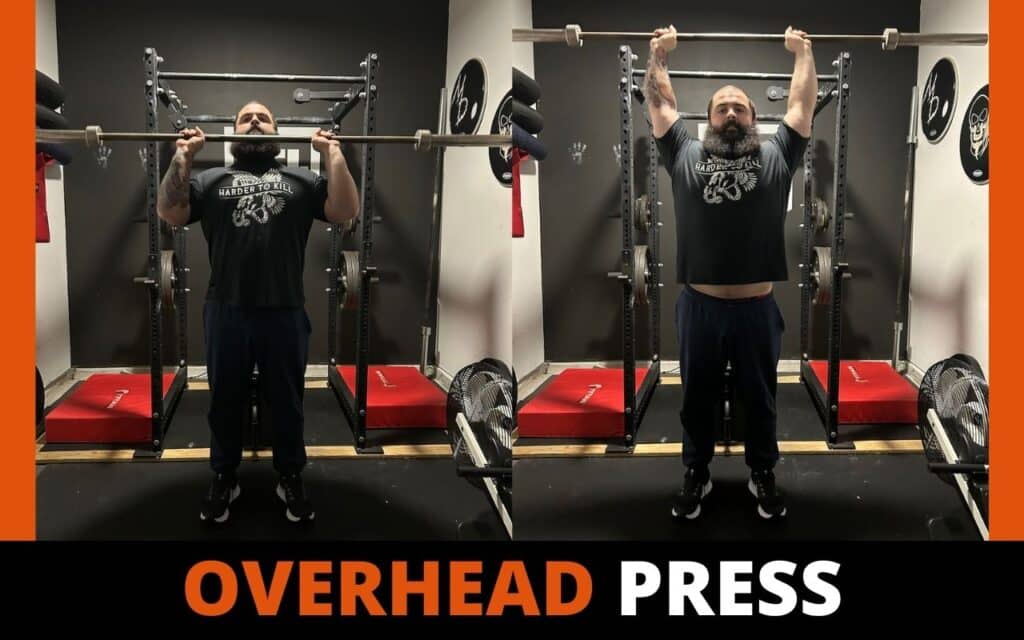
- Overhead Press
- Dumbbell Rows
- Bench Press
- Deadlift
- Bulgarian Split Squat
Of course there are many others. Find the ones that suit your specific goals, then move to the next step.
Find Your Activation Weight
Choose a weight you can lift for about 20 reps. And let's get specific on what I mean by “activation weight,” because it's a crucial first step. Don't think of it like finding a one-rep max; we're on the opposite end of the spectrum here. The “activation weight” is the specific load you choose to kick off the entire Myo-rep set.
Your goal is to find a weight that's challenging enough to force you to hit failure right around the 15 to 25-rep mark. That's the sweet spot.
Think of it as a “feeler set,” but a brutally hard one. This first set “activates” the maximum number of muscle fibers. If the weight is too heavy and you fail at 8 reps, you won't have the capacity to complete the high-volume work that follows.
If it's too light and you can easily pump out 40 reps, you're not creating enough intensity to trigger that initial growth response. So, this first set is your calibration. It tells your body, “Okay, we're working here,” and it fatigues the target muscle groups just enough to make the short-rest mini-sets that follow incredibly potent.
Going to Absolute Failure
Go to absolute failure. Let's say you get 23 reps on that first set. That's your activation set. This isn't just feeling tired or getting a good burn. Absolute failure is the point where, despite giving 100% of your effort, your target muscle physically cannot complete another concentric (the lifting part) repetition with good form.
If you're looking for more on this, Peloton has a pretty good guide on training to failure. Your mind is telling the muscle to push, but the machinery simply will not respond. The weight won't move.
Take a “mini-rest.” Rest for only 10-20 seconds. Just enough time to catch your breath. Take some deep breaths, then do the process again.
You'll do as many reps as you can until failure again. Maybe you get 15 this time. Continue this pattern of short sets and minimal rest until you reach a huge total rep target, like 100 reps.
More Than Just a Burnout Set
This method, created by Borge Fagerli, is brutal but brilliant. It pushes your muscles past their normal limits, triggering a powerful stimulus for hypertrophy (growth). But it does something else that's crucial, especially for heavy lifters: it builds muscle integrity.
The key is fatigue. The sheer volume strengthens your connective tissues and tendons, making your body more resilient and helping to prevent injuries down the road when you return to heavy, low-rep work.
The Powerlifter's Dilemma: When to Use It
So, should powerlifters be using myo reps during their workouts? Absolutely. But only in the off-season. Because Myo-reps cause so much muscle damage, they are terrible for in-season training when you're trying to peak for a meet (12 weeks out or less). Yes, they're effective for building muscle. They're also brutal during the training process.
However, if you're 16-20+ weeks out, a 4-6 week block of Myo-reps on your accessory work is a phenomenal tool to build a bigger muscle base. And as we all know, mass moves mass.
If your progress has gone stale, give this method an honest try. It's the pattern interrupt your body needs to start growing again. It's easy to add these to your training at home or at the gym.
Have you seen gains from myo reps? Let me know. Sign up for the Powerlifting Technique newsletter. That's where we give regular advice to lifters all over the world. And give a comment on one of our videos on YouTube if you're watching there!