

Walk into any gym, and I guarantee you’ll see someone doing a lat pulldown. But I can also guarantee that most of them are doing it wrong. They’re turning a fantastic back-builder into a mediocre arm exercise. For my powerlifters especially, who live in the world of horizontal pressing, this vertical pulling motion is crucial for building a complete, balanced, and powerful back.
The problem is, most people just yank the weight. They use a grip that’s too narrow, they sit bolt upright, and they let their biceps take over. If you want to build wide, thick lats, you have to be deliberate. Here’s how to fix your form for good.
Table of Contents
Proper Setup for Lat Pulldowns
Before you even pull, get your setup right. For your starting position, your grip should be just outside shoulder-width apart. I like to place my index finger right where the knurling on the bar begins. Anything narrower will overly involve your arms.
Next, don't sit perfectly straight. Lean back just slightly (maybe 15 degrees) and maintain a straight spine and a fixed torso position. This creates a more stable and powerful pulling angle, allowing you to focus purely on your back muscles. Note how this differs from cable pullovers, where you're leaning forward instead of slightly back.
Here's what the full exercise looks like, including the starting position with the cable taut and the elbows close to vertical. The seat height is standard. The starting position is with your hands raised on the bar.
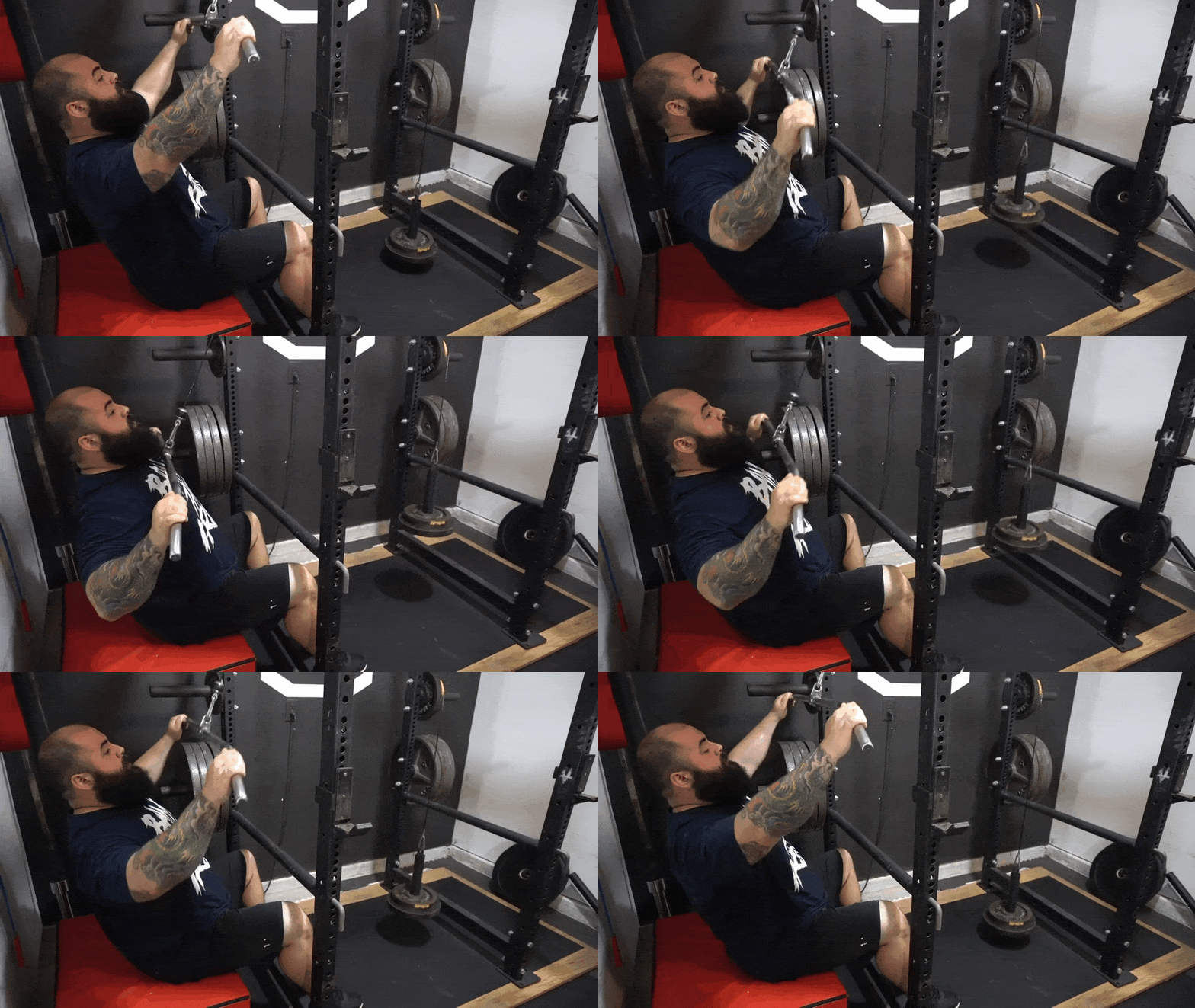
And the thing most lifters do wrong? This is it. Stop thinking about pulling the bar down. Start thinking about driving your elbows down and in towards your sides. As you pull to your upper chest, your elbows should be moving in the frontal plane. Outward and then inward.
If your elbows are tucked in front of your body, you're just recruiting your biceps and traps. The correct elbow path is the single biggest factor in whether you’re actually training your lats or just going through the repetitions without getting maximum value and serious upper body strength.
Note the bottom position of this lift too. I'm hitting my upper chest. Pulling at different angles will work different upper-body muscles. That can be good if that's what you're trying to do, but the proper way to do lat pulldowns looks like what I'm showing you here. Pull toward the upper chest, below the chin, above the sternum.
And remember that wide grip. My hands aren't near the center of that bar. My index finger goes where the knurling starts in a pronated grip. Both hands are overhand.
One of the common questions I hear from beginners is whether they can use an underhand grip for lat pulldowns. You can, but it's not the standard way to do them. We're usually targeting the upper part of our lats with these pulldowns, and an overhand grip is necessary to dot hat effectively.
No Machine? No Problem.
If you don't have a lat pulldown machine, you can still get a killer lat workout without this specific movement. I'll share a few variations here. And we've got a full guide on lat pulldown alternatives too.
My favorite is done by focusing on the “eccentric,” or the negative portion of the movement. Try a cheating pull-up.
Use a little jump to get your chin over the bar, but then fight gravity and lower yourself down as slowly as you can for a 3-5 second count. Here's what it looks like. Note the jump at the start. This is the “cheat” part of the movement.
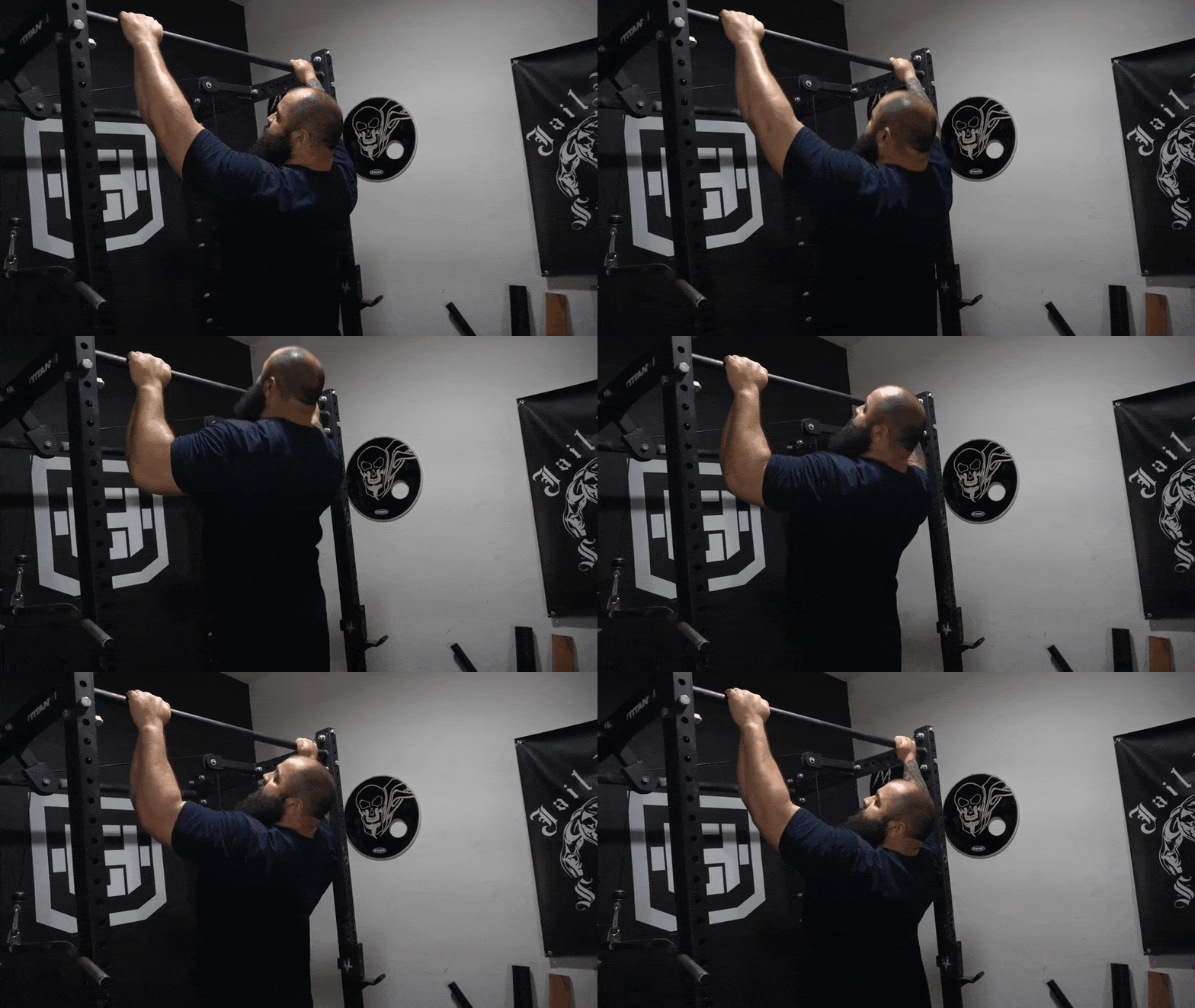
This controlled negative is what builds muscle. It's where you should focus your efforts if you want to hit the same muscles as a lat pulldown.
Even better, do a pure eccentric pull-up: just jump to the top and focus only on that slow, controlled descent. This is one of the most potent ways to build the strength and muscle needed to eventually do full pull-ups.
Of course, I'm a fan of cable lat pulldowns. If you're working out at a home gym, try something like the Omni rack and a lat pulldown bar attachment.
Fix your form, focus on driving those elbows, and you'll finally build the wide back you've been working for.