
Everyone wants bigger arms, but for years, mine were a weak point. The secret that finally pushed them to 20 inches wasn't more curls or a magic exercise. It was breaking a common rule about workout splits and understanding one simple principle: pair big muscles with small ones.
The “hack” was simple: I started training my biceps at the end of my leg day. Why? Because a heavy leg workout puts your body into a massive metabolic and anabolic state. My biceps were able to thrive off the growth environment created by my legs.
This principle is the key to unlocking your true potential, and it's why I need to talk about how you train your chest and back.
Table of Contents
The #1 Split Mistake Lifters Make
The biggest question I get is whether you should train chest and back, two of the body's largest muscle groups, on the same day. My answer is no, not if you want optimal growth. You're better off training them on separate days and pairing each with a smaller muscle group.
Think about it logically: A truly intense chest workout, starting with heavy presses, is going to demand a massive amount of energy from your body and your central nervous system. If you then try to move on to heavy back work like bent-over rows or weighted pull-ups, that second muscle group is only getting the leftovers.
Your strength will be compromised, your focus will be shot, and you'll be accumulating junk volume instead of stimulating real growth. You're not giving each muscle the respect and intensity it deserves.
You're better off training them on separate days and pairing each with a smaller muscle group that works synergistically. A “Chest and Triceps” day is classic for a reason.
Every time you perform a heavy bench press or incline press, your triceps are firing hard as a secondary mover. By finishing the workout with targeted triceps exercises, you're taking a muscle that's already been warmed up and pre-fatigued and pushing it over the edge for maximum growth.
The same goes for “Back and Biceps.” Heavy rows and pulldowns recruit your biceps significantly. Pairing them together is efficient and incredibly effective.
The Ultimate Growth Workout (If You MUST Combine Them)
Now, I get it. Sometimes life gets in the way, and a full-body or “push-pull” day is all you have time for. If you absolutely must train chest and back together, you need a blueprint that is both brutally effective and efficient. This is that plan. We start heavy on strength and progressively add more reps and volume to drive hypertrophy.
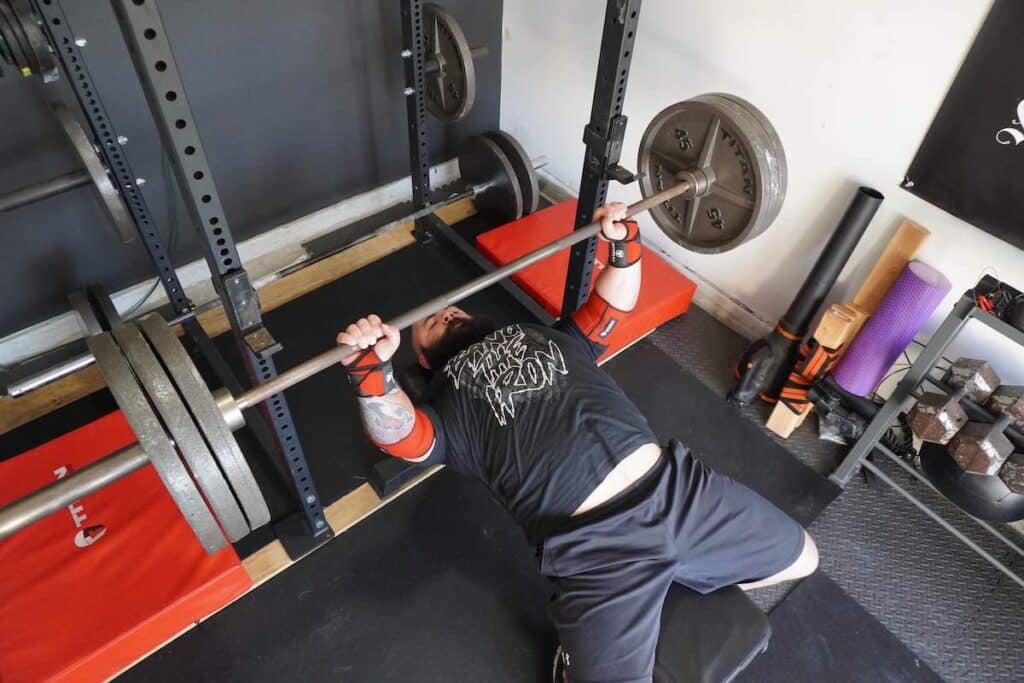
1. Bench Press (2-3 sets of 6-8 reps): We start with the king for raw strength and power. This is our heavy foundation. It's also a fundamental powerlifting chest workout. You'll see some variation of bench press alongside any recommended chest exercises.
2. Dumbbell Incline Press (3-5 sets of 8-12 reps): Next, we move to dumbbells on a low, 30-degree incline. This hits the upper clavicular fibers of the chest without putting too much stress on the shoulders.
3. Barbell Bent Over Row (5 sets of 8-12 reps): Now we hit the back. Keep a “tall chest” to engage the mid and lower traps, building that crucial thickness. This appears in our guide on powerlifting back exercises too. It's a very effective way to build back strength.
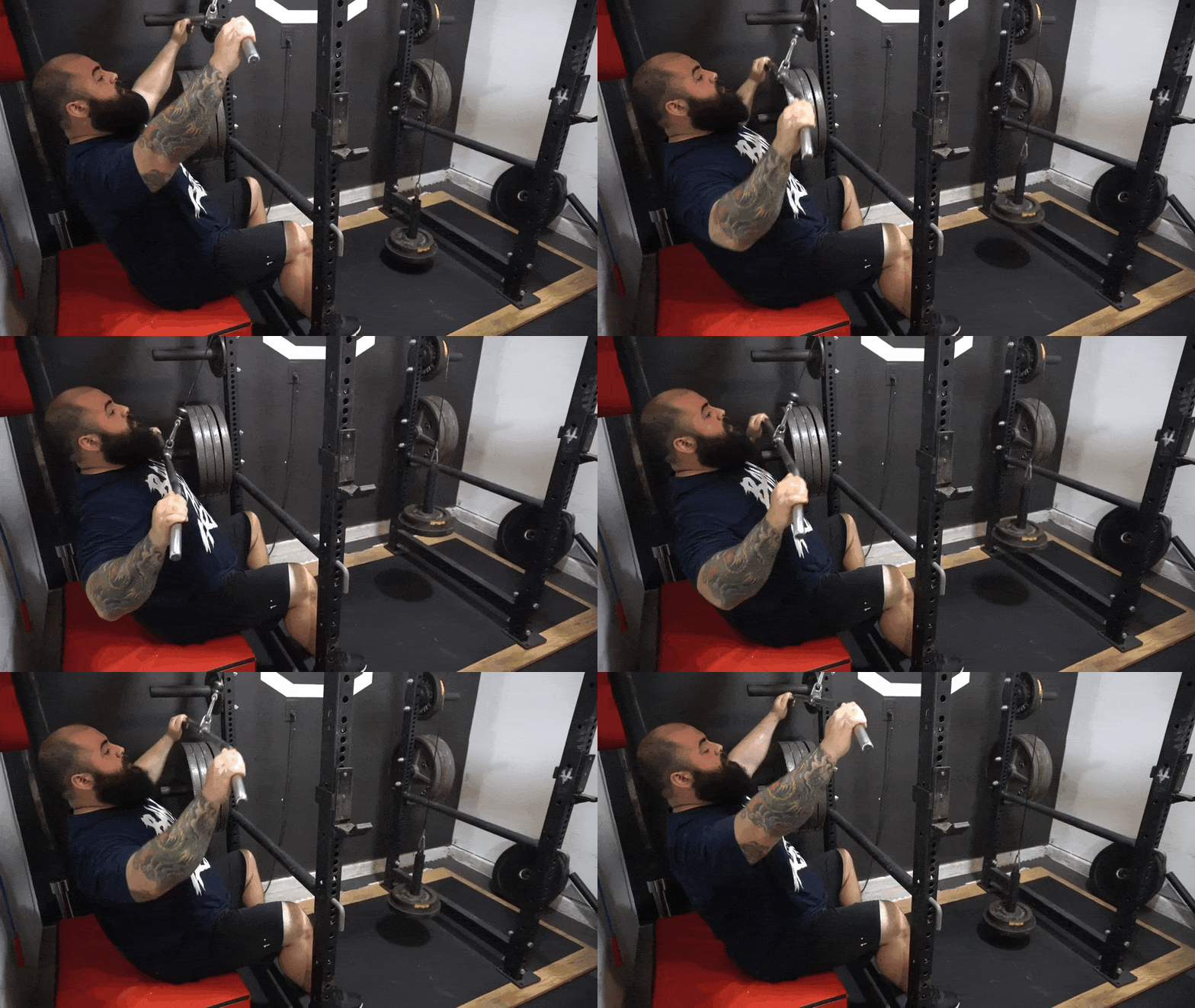
4. Cable Lat Pulldown (3-5 sets of 15-20 reps): We use high reps here to completely fatigue the lats, driving the elbows outward to ensure they're doing the work. There are also a few good lat pulldown alternatives that could hit the target muscles.
5. Rear Delt Fly (3 sets of 20 reps): The wild card finisher. Healthy rear delts are essential for stabilizing heavy presses and creating a balanced, powerful physique. Don't skip these.
Structure your week intelligently first. But when you need an all-out war on your upper body, this workout will deliver. Note that we have a much more detailed guide on back and chest day. It includes