
Leg day is the toughest workout of the week, no matter if you are a powerlifter, bodybuilder, strongman, or an athlete looking to improve performance. Training the legs demands intensity, energy, and proper technique. Done right, these workouts build the foundation for strength, muscle size, athletic performance, and injury prevention.
This guide covers the 16 best leg workouts you can add to your program. It also explains how different populations can adjust these exercises for their unique goals.
Table of Contents
Why Leg Day Is Essential
Your legs are the engine for almost every athletic movement. They generate force for sprinting, jumping, squatting, and lifting heavy loads. Training them improves overall body strength, metabolism, and coordination.
Strong legs also help stabilize the body, protect the joints, and boost power in upper body lifts. The key is to train them with a balance of compound movements, single-leg work, and targeted isolation exercises.
1. Squat
The squat is the king of leg exercises. It engages the quads, hamstrings, glutes, and core, making it one of the most efficient ways to build overall lower body strength. We've got a deep-dive into squat muscles worked if you want to get technical.

Squats also train mobility and stability in the hips, knees, and ankles, which are vital for athletic performance. That makes them effective for heavy singles or high-rep hypertrophy work, and the squat lays the groundwork for progress in nearly every sport or lifting discipline.
We cover this (and a bunch of other useful topics for strength training) on our YouTube channel.
2. Front Squat
The front squat places the bar on the front of your shoulders, forcing your core to work harder to stabilize the weight. This variation targets the quads more directly and improves posture during squatting movements.
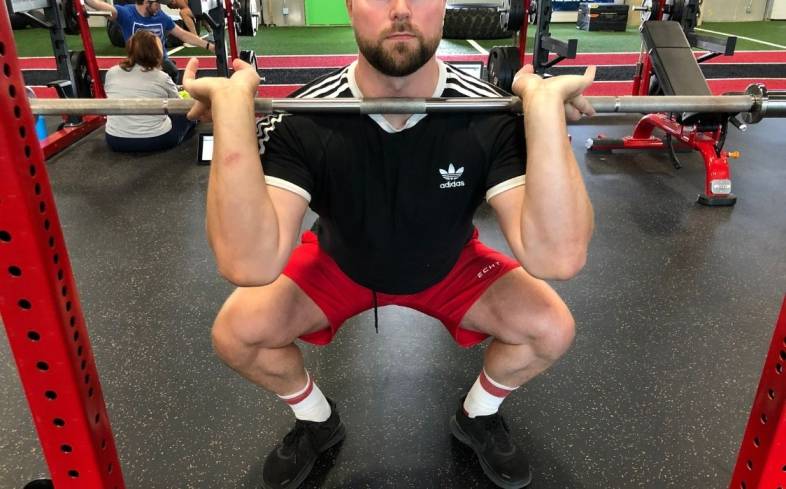
It is excellent for athletes who need explosive power in their legs for sprinting or jumping. By shifting the load forward, it can also be easier on the lower back compared to a traditional back squat.
3. Lunge
Lunges build strength, balance, and coordination by working each leg independently. They mimic natural movement patterns, making them functional for sports and daily life.
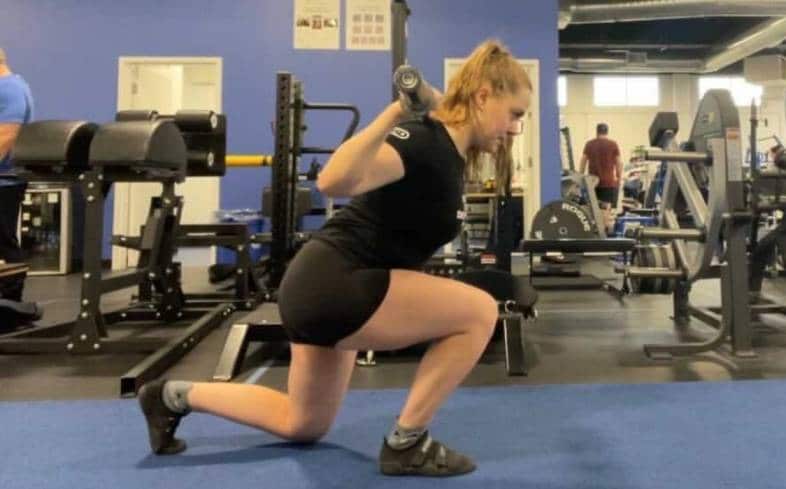
Walking lunges add an element of dynamic stability that transfers well to running and change-of-direction movements. Lunges also help identify and correct imbalances between the legs, reducing the risk of injury.
Along with step-ups and single-leg RDLs (mentioned later), these are very effective for calves. Hack squats, leg extensions and leg press are the least effective if you want to focus on calves.
4. Lateral Lunge
The lateral lunge strengthens the inner thighs, glutes, and hips while improving lateral movement. Athletes in sports that require side-to-side motion benefit greatly from this exercise.
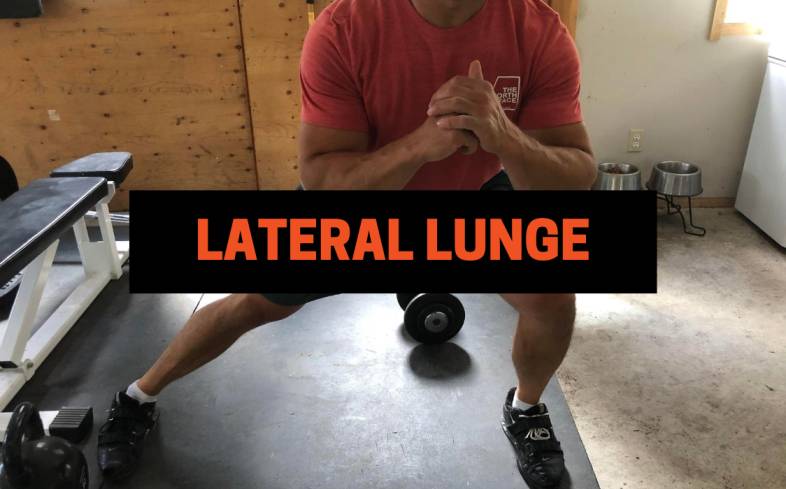
It challenges the body in a different plane of motion compared to forward lunges, creating more balanced leg development. This movement also improves hip mobility, which can carry over to better squat depth.
5. Step-Up
Step-ups use a bench or platform to train each leg separately while mimicking the squat pattern. They are particularly effective for improving single-leg power, which is valuable for sports performance.
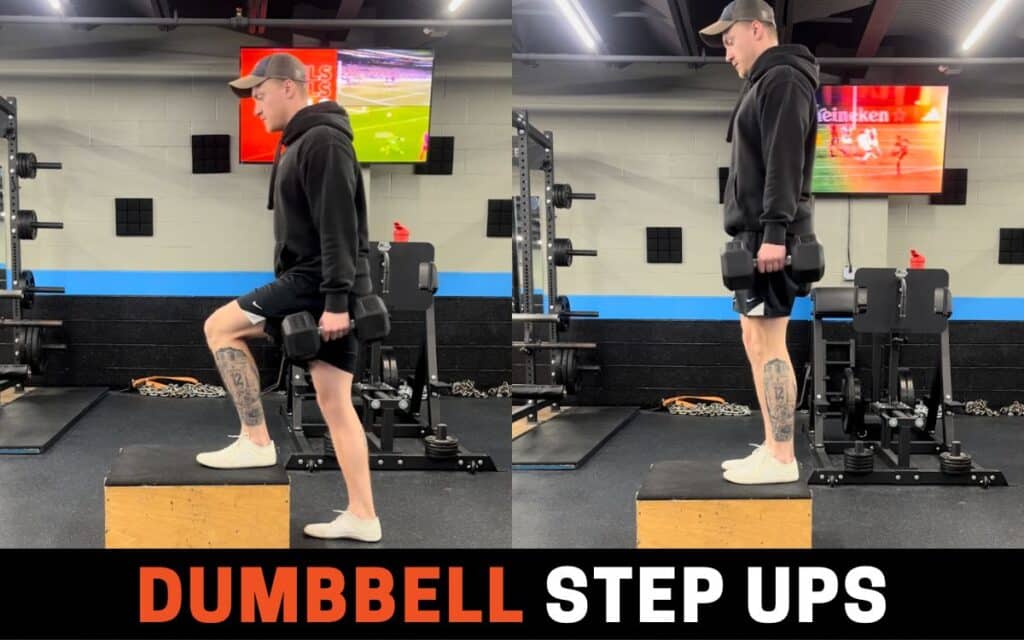
Step-ups also require less spinal loading than barbell squats, making them a joint-friendly option for lifters with back concerns. The movement can be progressed easily with added weight or higher platforms.
6. Split Squat
Split squats put you in a stationary lunge stance, allowing you to focus entirely on one leg at a time. They build unilateral strength, improve stability, and help correct imbalances between the legs.
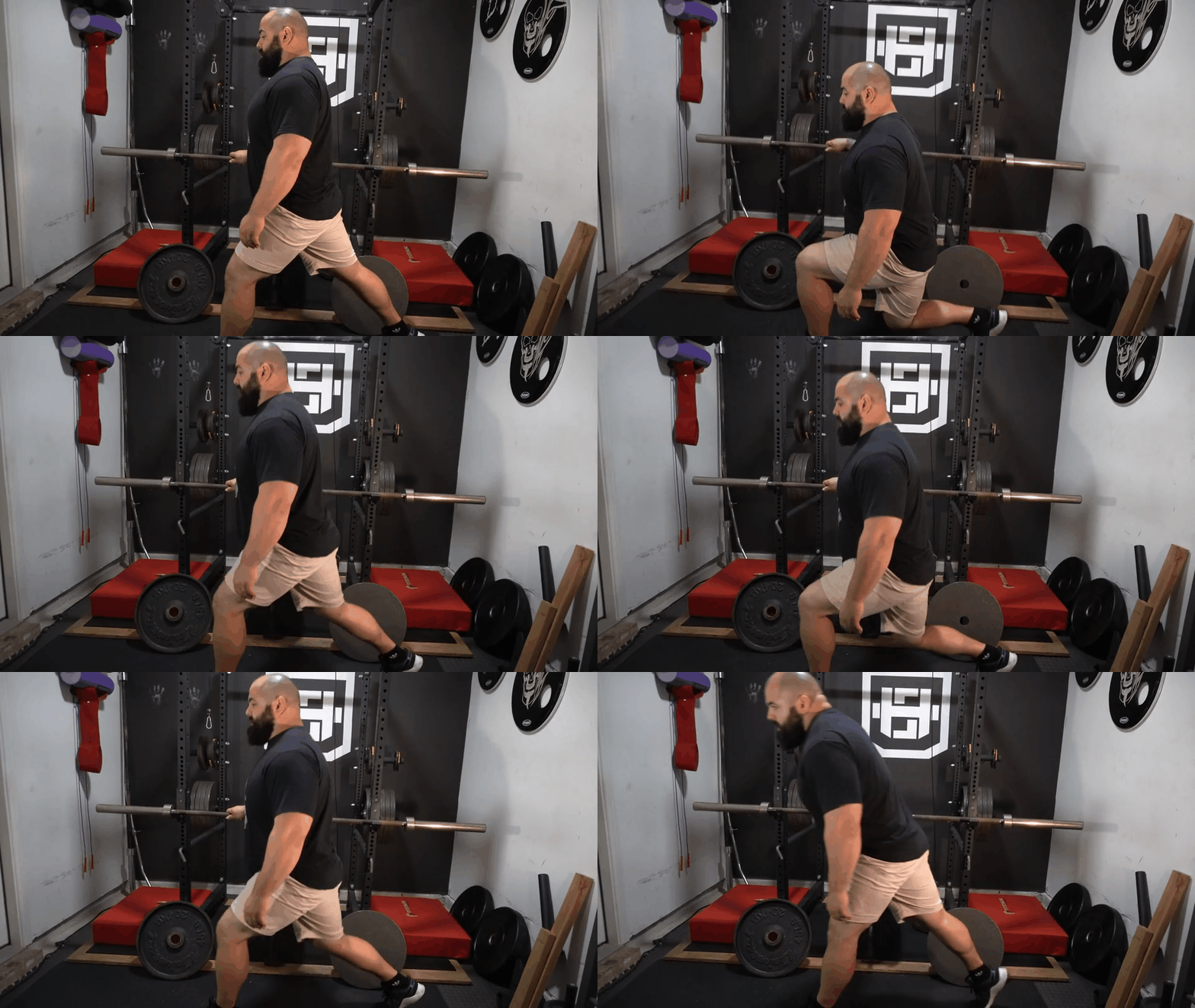
Because your back foot stays planted, you can maintain better balance and control. This exercise is a great choice for those looking to improve their squat strength while reducing stress on the lower back.
7. Bulgarian Split Squat
This challenging single-leg movement elevates the back foot, placing more load on the front leg. Bulgarian split squats build leg size and strength quickly because they create a large range of motion and a high demand on the working muscles.
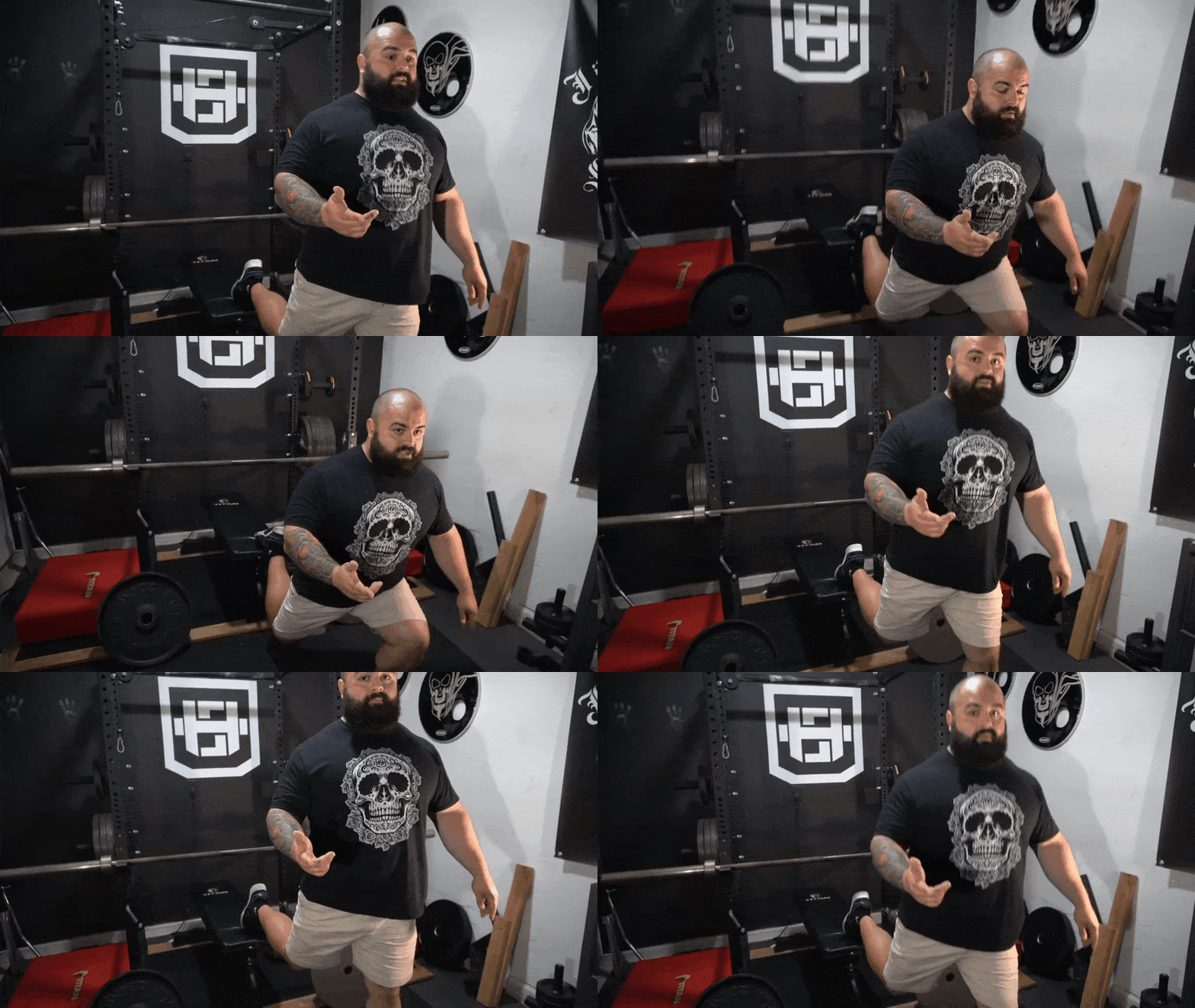
They also develop hip mobility and stability, which are essential for heavy squatting and athletic performance. Using dumbbells or a barbell can make this movement even more demanding.
8. Good Morning
The good morning squat strengthens the hamstrings, glutes, and lower back through a hip hinge pattern. It is a valuable accessory for improving squat and deadlift strength.
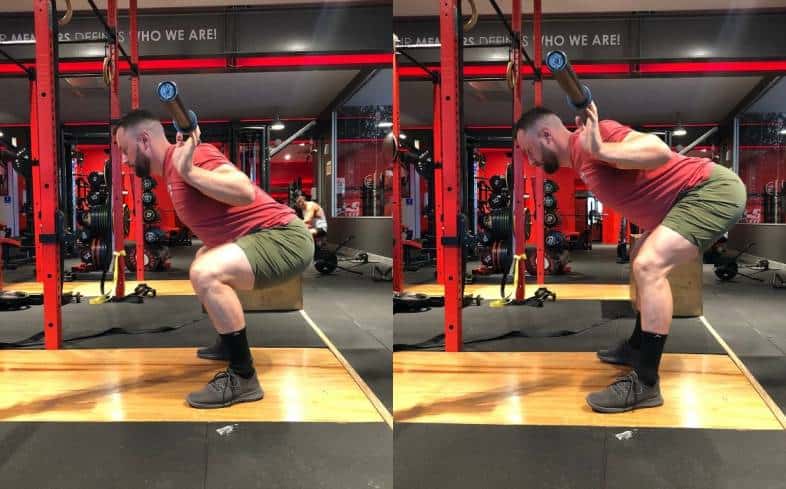
By teaching you to push your hips back while keeping a strong spine, it reinforces proper lifting mechanics. It is especially useful for powerlifters and strongman athletes who need powerful posterior chains.
That said, this isn't a good option for serious lifters. According to one professional powerlifting coach:
a good morning squat places a lot of stress on the structures in the low and mid-back, which aren't necessarily designed to take that kind of loading demand. At some point in your lifting career, you'll be putting unnecessary risk on your back…
9. Romanian Deadlift (RDL)
The Romanian deadlift targets the hamstrings and glutes while promoting flexibility in the posterior chain. This movement builds strength that transfers directly to the squat and conventional deadlift.
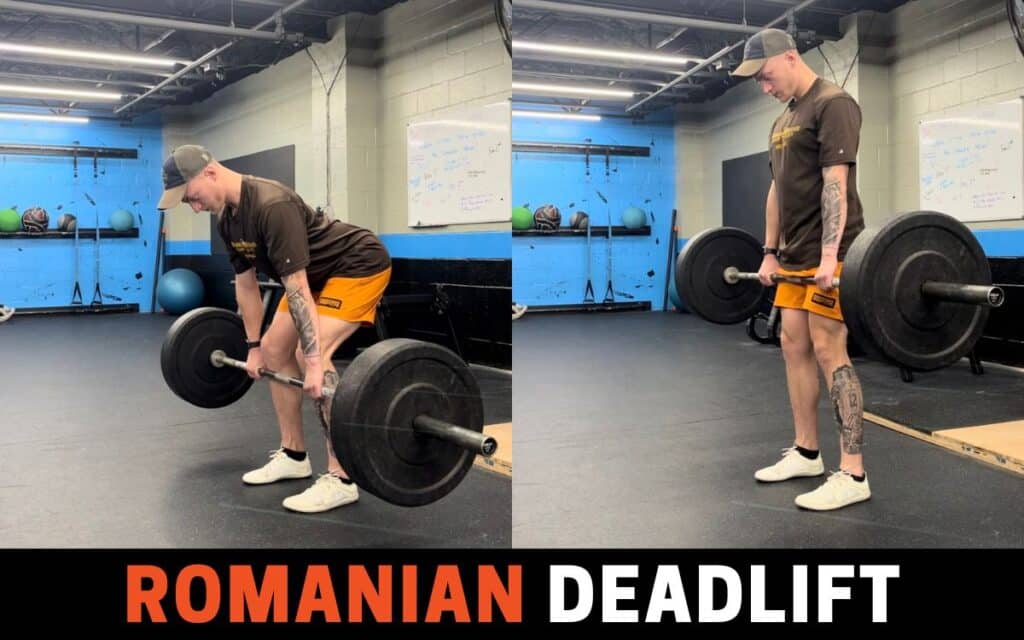
Keeping the bar close to the body emphasizes proper hip hinge mechanics. It is also a highly effective hamstring builder without putting the lower back under as much stress as conventional deadlifts.
10. Deadlift
The deadlift is a full-body pull that emphasizes leg drive at the start of the lift. It builds strength in the hamstrings, quads, glutes, and lower back, making it one of the most complete lifts you can do.
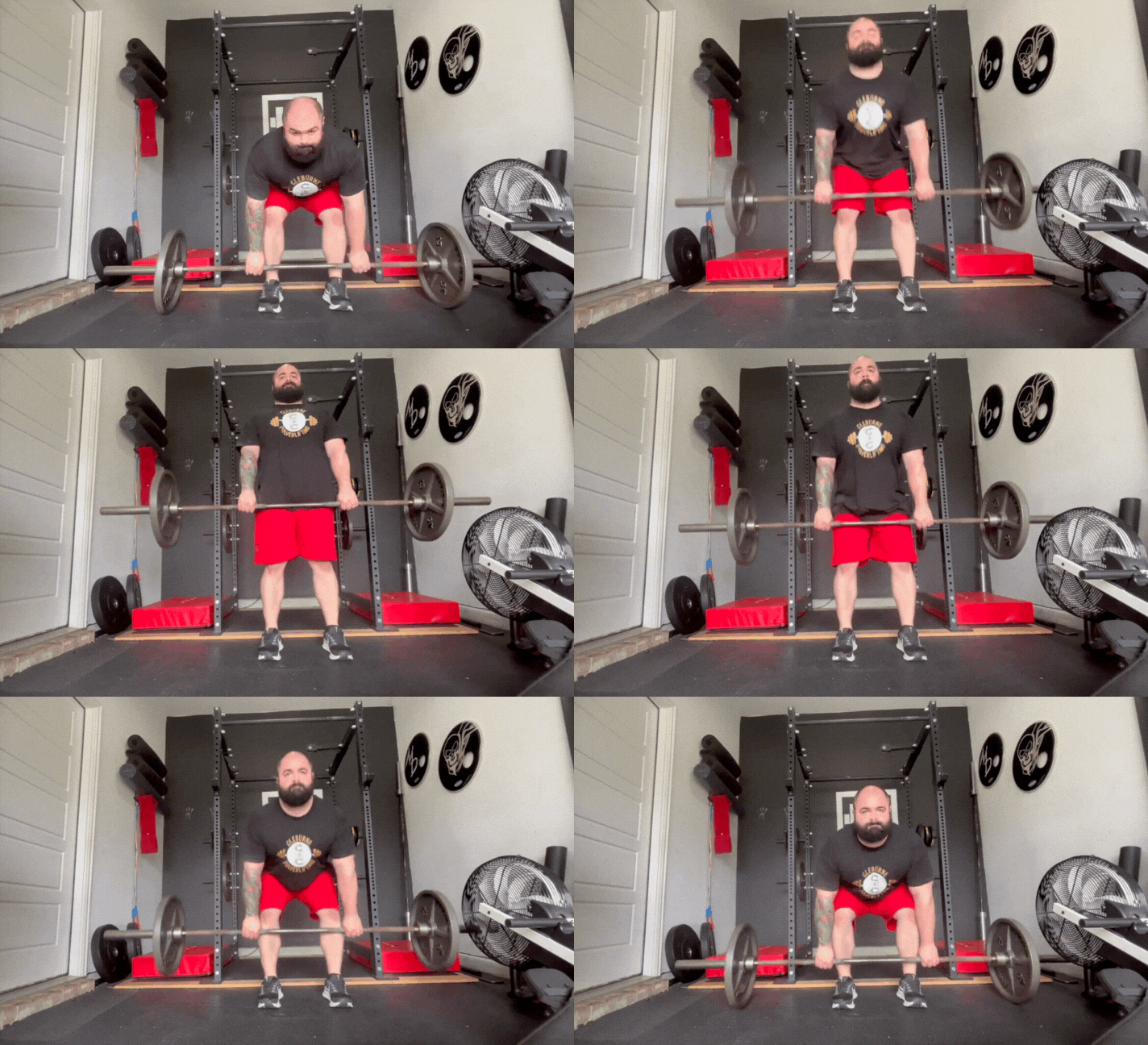
The deadlift also develops grip strength and mental toughness. Because it uses heavy loads, it stimulates overall muscle growth and improves athletic power.
It's also one of the core movements for powerlifters. At a powerlifting meet, you'll see deadlift, squat, and bench press.
11. Single-Leg RDL
This unilateral hinge movement improves balance and coordination while strengthening the hamstrings and glutes. It is ideal for correcting muscle imbalances that may hold back performance.
The single-leg RDL also enhances core stability since the body must work harder to remain upright on one leg. This exercise is especially beneficial for athletes in sports requiring quick direction changes.
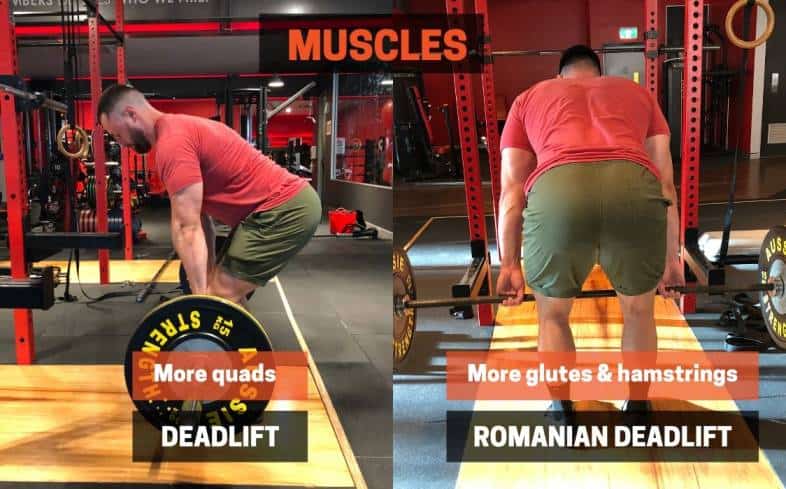
And note that the Romanian deadlift prioritizes different muscles than the deadlift. The RDL focuses more on glutes and hamstrings, while the traditional deadlift focuses more on quads.
12. Zercher Squat
Holding the bar in the crook of your elbows challenges the core and upper back while training the legs. The Zercher squat is excellent for building strength in the quads and glutes with a unique loading position.
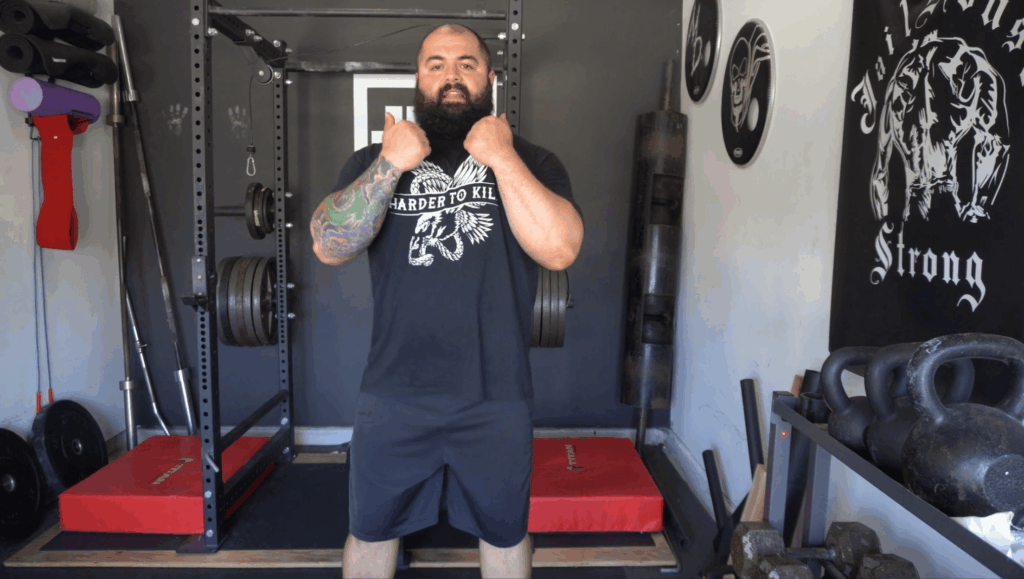
It also mimics the demands of carrying heavy objects in real-life scenarios, making it functional for tactical athletes and strongman competitors. The forward load forces you to stay upright, which can improve posture.
And note that the Zercher squat differs from front squat. The key difference is weight position.
13. Zercher Lunge
The Zercher lunge combines the benefits of the front-loaded position with the unilateral strength of lunges. This makes it a powerful tool for building both leg strength and core stability.
It is an excellent conditioning movement for athletes who need to carry weight while moving dynamically. The position of the bar also encourages better form and prevents leaning forward.
14. Hack Squat (Machine)
The hack squat is a quad-dominant machine exercise that removes the need for balance, allowing you to focus entirely on effort. It is great for high-rep training to build muscle size.
Because the machine guides the movement, it is easier to safely push close to failure. It also provides constant tension on the legs through the entire range of motion.
This is a common gym exercise for leg day. It's easy to find hack squat machines at most locations, and it's easy to increase the difficulty by adding weight on the bars at the top. Note that the starting position is almost standing.
15. Leg Press
The leg press is a versatile machine movement that can target different muscles depending on foot placement. It allows for heavy loading without taxing the lower back as much as free-weight squats.
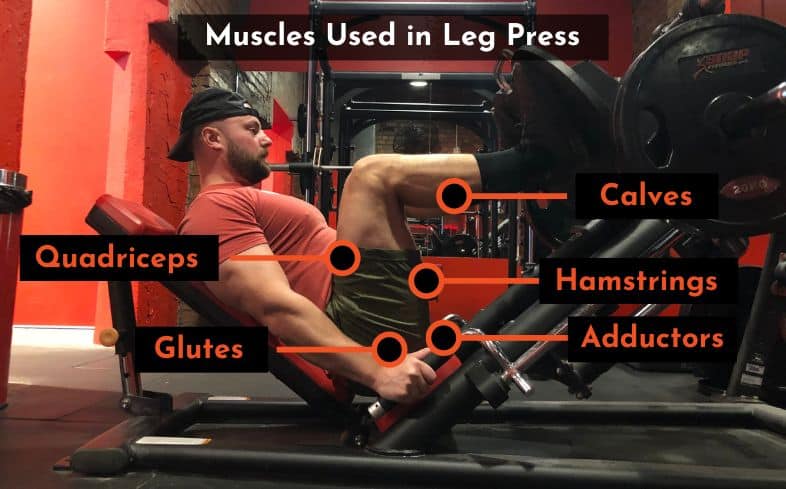
The leg press is excellent for volume training to build size and strength. It can also serve as a safe alternative on days when barbell squatting is not ideal.
Note that leg press foot placement makes a big difference. With a regular stance, you'll work quads, glutes, hamstrings.
16. Leg Curl and Leg Extension
Leg curls isolate the hamstrings while leg extensions isolate the quads. Together, they help create balanced strength between the front and back of the leg.

These exercises are valuable for improving muscle definition and addressing weak points. They also allow for controlled, targeted training without requiring heavy loads, which is useful for injury prevention and rehab.
Other options include claf raises, goblet squats, or anything you can do in a squat rack. I focused on the above options because they're what I use with my own clients.
How to Program Leg Day for Different Goals
For Powerlifters
Focus on strength and technique. Use squat variations for the main lift and include accessories like RDLs and leg curls. Stick to lower reps and heavier weights for primary lifts with moderate reps for accessories.
For Bodybuilders
Focus on muscle growth and symmetry. Start with heavy compound lifts, then transition to high-rep isolation work to create metabolic stress. Use higher volume and multiple exercises for each muscle group.
For Athletes
Focus on strength, power, and coordination. Include Olympic lifts like power cleans for explosiveness alongside squats, lunges, and single-leg work. Use moderate weight with explosive intent and balance the workload across the week.
For Older Lifters
Focus on joint health, strength maintenance, and mobility. Combine compound lifts with machine-based movements for safety. Use moderate loads and allow more recovery between sessions.
Sample Simple Leg Day Plan
- Squat – 4 sets of 6 reps
- Step-Up – 3 sets of 8 reps per leg
- Romanian Deadlift – 3 sets of 8 reps
- Leg Press – 3 sets of 12 reps
- Leg Curl – 3 sets of 12 reps
This progression moves from heavy compound lifts to isolation work, ensuring every part of the leg is trained.
Final Thoughts
Leg training is the foundation of a strong, balanced body. Whether you are after raw strength, muscle size, athletic power, or long-term joint health, these 16 exercises provide the variety you need.
Pick the ones that fit your goals, adjust the reps and sets to your training style, and commit to leg day with the same intensity you give your upper body. A well-built lower body does more than just look powerful. It makes you a more complete and capable athlete.