
Split squats are such an effective option for lifters who want to squat heavier, move better, and fix strength imbalances. Too many lifters rely only on bilateral movements and end up masking weaknesses that hold back their squat.
The split squat forces each leg to pull its own weight, building strength, balance, and stability from the ground up. Whether you are after stronger quads, more powerful glutes, or just better control at the bottom of your squat, how you set up your stance changes everything. This guide breaks it down so you can adjust your technique based on your goals and get more out of your squat day.
How to Do Split Squats
Start by setting up in a split stance with one foot forward and the other foot back. Keep your chest up and your shoulders over your hips. Before you drop into the squat, check your stance width.
This part is key. Evaluate the position of your front leg at the bottom of the movement. If your shin stays vertical when you go down, you’ll load your glutes and hips more. If your knee pushes forward, you’ll load your quads more. Choose based on your goal. If you're a powerlifter, use the wide stance. If you don't want to hit your glutes as much, use a narrow stance.
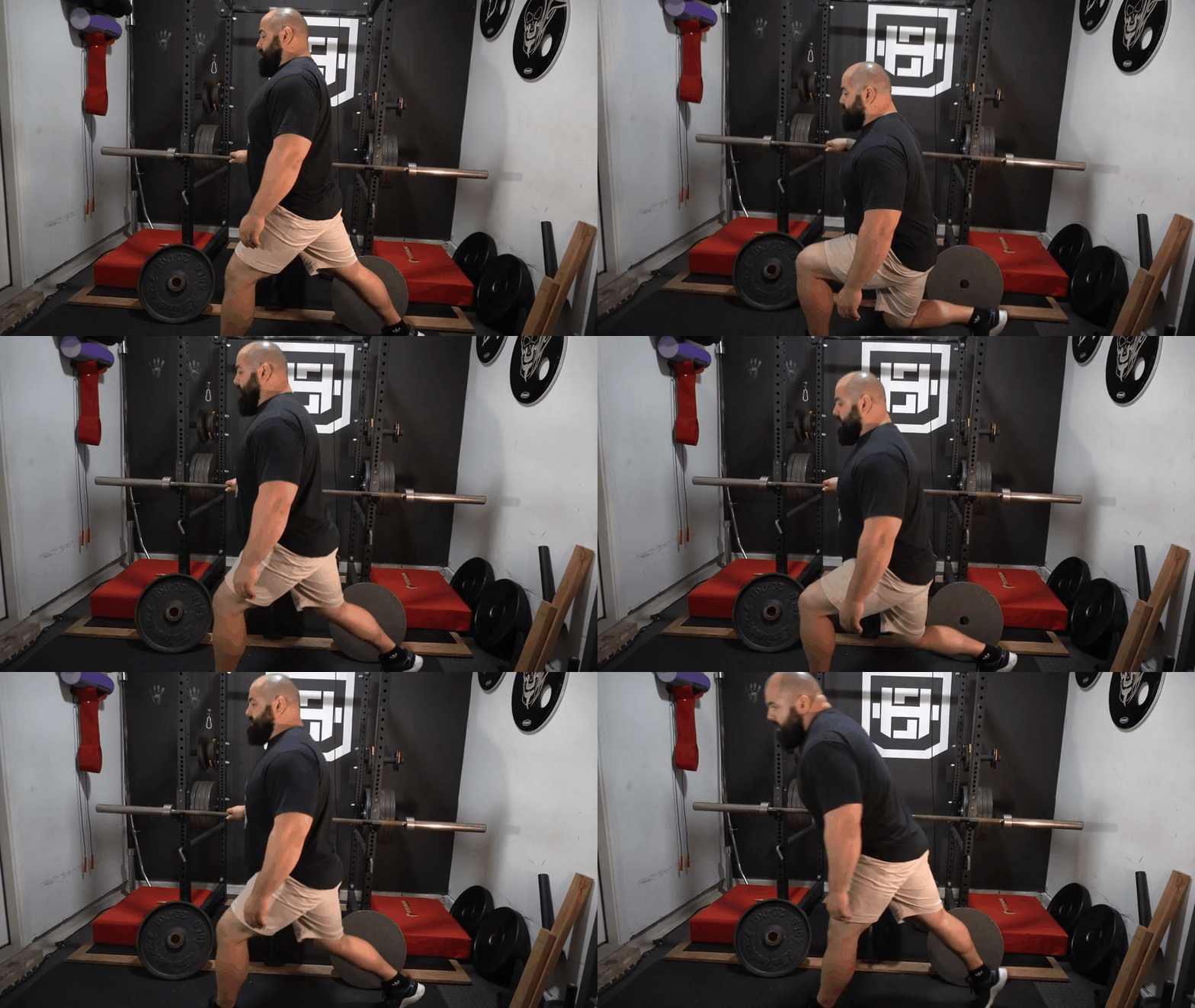
Lower yourself straight down until your back knee is just above the floor, making sure to keep your front foot planted and balanced. Drive through the heel of your front foot to stand back up. Stay controlled, avoid bouncing, and focus on keeping your torso upright. You can use a hand on a rack or bench for balance if you need it.
Start with bodyweight or light dumbbells. Use two to three working sets of six to ten reps per leg. Prioritize control and balance first, then add load once you’re stable and strong in both legs. And remember this is a real single-leg exercise. You'll want to switch sides to hit each leg.
Split Squat Variations and Alternatives
The biggest difference between split squats and lunges? Lunges are more of a dynamic movement. You're stepping forward with that front foot with each motion.
With the split squat, you have a static top position. You just squat into the bottom position from standing, like in the animation above. Good for mobility issues, right? The split squat is also a good way to balance your muscles to make sure you're not favoring one side during squats.
And note how this also differs from Bulgarian split squats. The main difference between split squats and Bulgarian split squats is a raised foot. Note how my foot stays planted on the ground in this exercise. In the alternate version, my foot would be raised behind me.
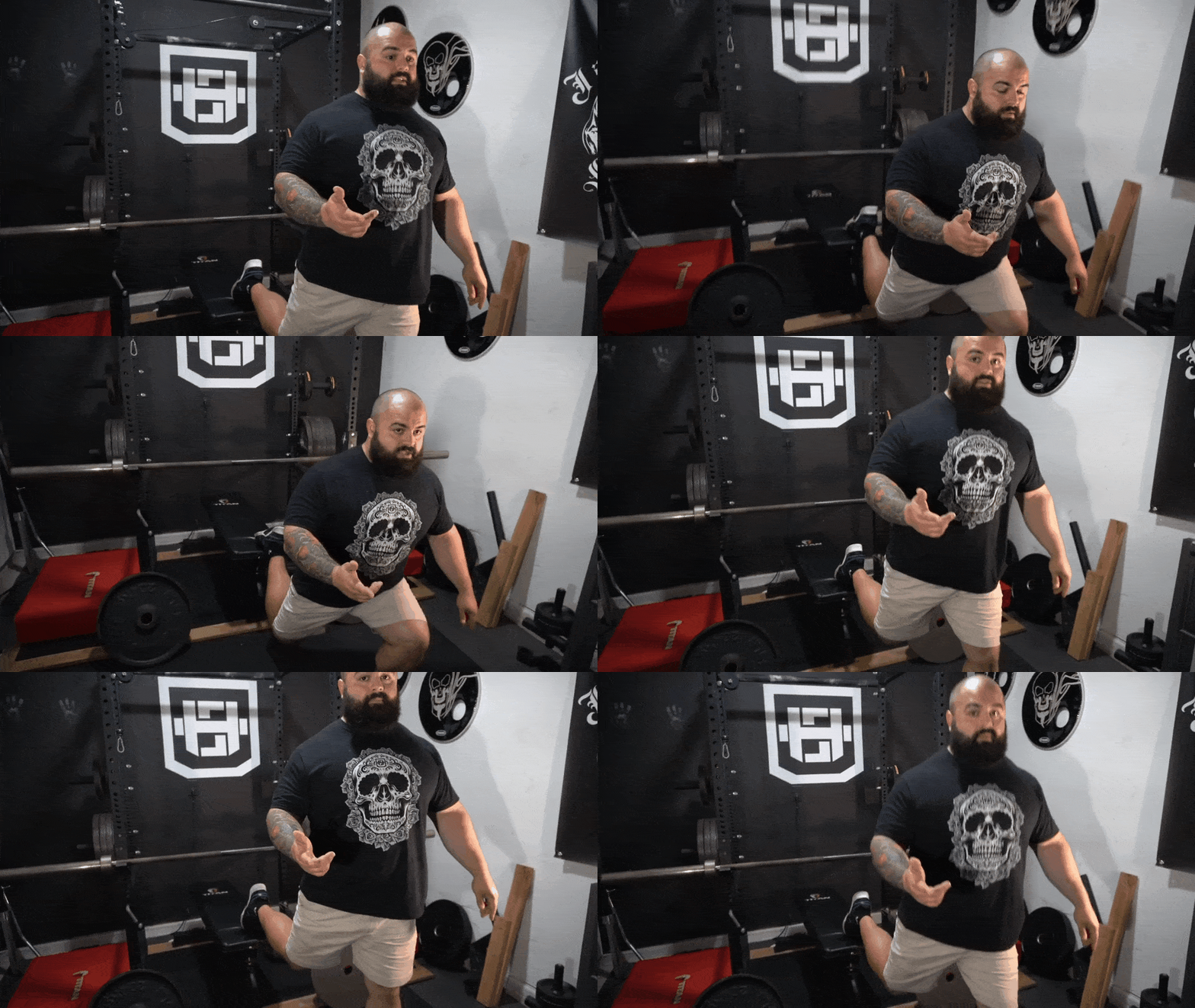
I've also got a solid progression if you want to move from beginner to advanced with Bulgarians split squats.
If you want to progress with the regular split squat, here's what I'd recommend.
- Assisted Bodyweight Split Squat: Start with bodyweight split squats using a rack or bench for balance. Focus on proper stance and controlled reps before adding any load.
- Unassisted Bodyweight Split Squat: Once balance improves, perform the movement without assistance, using a full range of motion and even tempo.
- Dumbbell Split Squat: Progress by holding dumbbells at your sides, adding moderate load while maintaining control and balance.
- Front Foot Elevated Split Squat: Elevate the front foot slightly to increase range of motion, creating a deeper stretch and greater glute activation.
- Bulgarian Split Squat: Move to rear-foot elevated split squats to shift more load onto the working leg and challenge balance and hip stability further.
- Dumbbell or Barbell Bulgarian Split Squat: For the most advanced option, add significant load with dumbbells, kettlebell, exercise ball, or a barbell, focusing on maintaining proper form under heavy weight.
That takes you from total beginner to a more advanced technique, targeting heavier loads and more repetitions as you develop more flexibility and get stronger.
Why Stance Changes Everything
One of the biggest factors that makes the split squat so effective is how much you can control the movement with your stance. Where and how you place your feet completely changes which muscles take the most load.
A shorter stance will push your knees forward over your toes. This is more knee-dominant and puts the pressure directly on your quadriceps. You’ll feel a bigger pump in the front of your thighs, and this version is great if you need to bring up quad size or strengthen the knee joint after injury.
On the other hand, taking a longer, wider stance keeps the shin more vertical and shifts the workload onto the glutes and hips. This setup forces you to sit down between your legs instead of lunging forward, which puts more emphasis on the posterior chain.
Powerlifters who want a stronger squat should be paying attention here, because powerful hips are what drive you out of the hole. Getting this position right makes the split squat a direct tool for improving hip strength and squat performance.
Even small adjustments in foot placement can shift the emphasis. You can make the exercise harder by elevating the front foot to create a deeper hip angle, or you can make it more advanced with a Bulgarian split squat by elevating the rear foot.
No matter your choice, your stance decides if you are targeting quads, glutes, or both, and smart lifters use that to their advantage.
Split Squat: Muscles Worked
The split squat is a simple but brutally effective movement for building squat strength and correcting imbalances. It targets all the key muscles that drive lower body power. The primary focus is on the quadriceps and glutes.
Because it is a unilateral exercise, each leg works independently, which forces more muscle recruitment and eliminates compensation from the stronger side. This means both quads develop more evenly, leading to better knee extension strength.
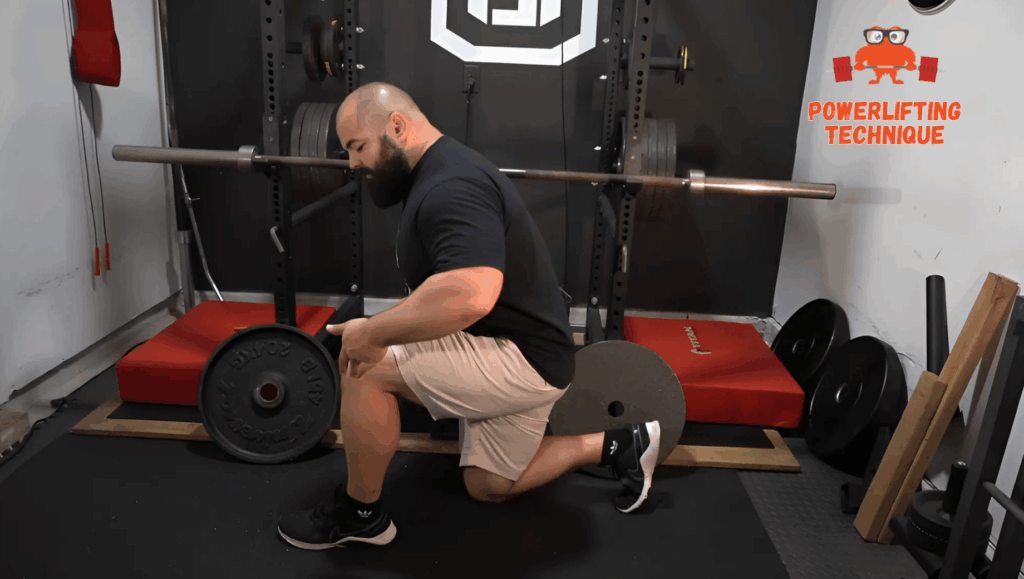
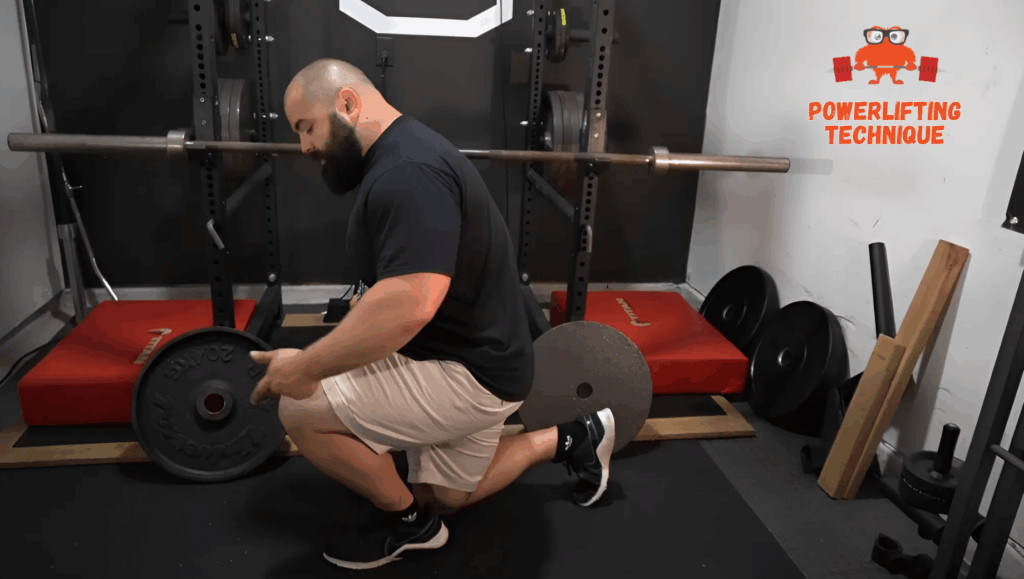
Depending on how you set up your stance, you can shift the focus. A narrower stance, with more forward knee travel, emphasizes the quadriceps and hits the knee joint harder. A wider stance keeps the shin vertical and shifts the load back onto the glutes and hips, which is ideal for building squat stability and drive from the bottom.
The hamstrings assist throughout the movement, especially when the hip joint is loaded through a longer split stance. With balance being challenged, the core and stabilizers around the hip and knee also get activated, making the split squat a total lower body developer.
Adding elevated variations increases the demand on the glutes by increasing range of motion, while Bulgarian split squats create even more load on the working leg by removing back foot support. Altogether, this makes the split squat a go-to accessory for stronger quads, more powerful glutes, better hip stability, and improved balance.
Quick Fire Questions
Here are a few common questions I hear about split squats. If I missed anything, let me know. You can always reply to the newsletters. We include surveys on those too. And I respond to comments on our YouTube channel too.
Are split squats as effective as squats?
Totally depends. As effective at building target muscles? You bet. Depending on your stance, split squats can isolate specific muscles that can get you over a squat plateau.
How do you do split squats properly?
In your top position, you should look almost like you're halfway through a lunge. Bring your knee low, keeping your hips moving vertically, to reach the bottom position. The proper form looks different depending on whether you use a wide or narrow stance.
Aren't these just stationary lunges?
Yeah, that's about right. Call them stationary lunges or split squats. Just make sure you're using the right technique to get the most out of the workout.
Is split squat the same as Bulgarian split squat?
Nope, those are two different exercises. The main difference is the position of your back foot. In the Bulgarian variation, your back foot is raised off the floor.
Do split squats work glutes or quads?
Short answer: Both. Longer answer: The glutes are worked more or less depending on the width of your stance. Wider (longer) stance = more glute effort.
Wrap Up
The split squat helps lifters build balanced strength, fix weaknesses, and drive squat progress. Your stance determines whether you build bigger quads, stronger glutes, or both, and it lets you tailor the movement to your exact needs. Mastering the split squat means dialing in your setup, controlling each rep, and understanding how simple adjustments change the muscles you target.
Use it wisely, train with intent, and your squat will benefit in size, strength, and stability.